

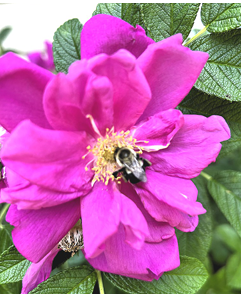
Bees are among the most important pollinators in Nova Scotia, playing a vital role in supporting local ecosystems, gardens, and food production. From Annapolis Valley apple orchards to backyard vegetable gardens, many fruits, vegetables, and wildflowers depend on bees for pollination. However, habitat loss, pesticide use, and changing climate conditions have contributed to declining bee populations. One of the easiest and most effective ways to help is planting pollinator-friendly flowers.
Native plants are especially valuable because they have evolved alongside local bee species. Flowers such as New England aster, wild bergamot (bee balm), goldenrod, black-eyed Susan, and purple coneflower provide nectar and pollen throughout the growing season. By selecting plants that bloom from early spring through late fall, gardeners can provide a continuous food source for both honeybees and Nova Scotia’s more than 150 native bee species.
Creating a pollinator garden doesn’t require a large yard. Even a few containers filled with flowering plants on a patio or balcony can make a meaningful difference. Choose a sunny location, group similar flowers together, and avoid using pesticides whenever possible. Bees are attracted to large patches of blooms, as these make it easier for them to gather food efficiently.
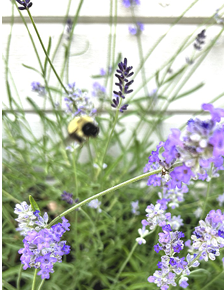
In addition to flowers, bees need safe nesting places. Leaving a small section of bare soil, preserving dead tree branches, or installing a bee hotel can provide shelter for solitary bee species, which make up the majority of Nova Scotia’s bees. Unlike honeybees, most native bees are non-aggressive and rarely sting.
Supporting pollinators also benefits other wildlife. Butterflies, hummingbirds, and beneficial insects all rely on flowering plants for food and habitat. A pollinator-friendly garden becomes a thriving ecosystem that adds beauty, biodiversity, and resilience to your landscape.
Every flower planted is a step towards protecting Nova Scotia’s pollinators. Whether you’re growing a large garden or adding a few native blooms to your yard, your efforts can help ensure bees continue to pollinate the plants that sustain our environment and food supply. Together, many gardeners’ small actions can create healthier habitats for pollinators province wide.

By Dr. Meg Patterson, Master Beekeeper